
Texas VINELink Means IVSS Now
“VINELink Texas” is a legacy search phrase. The current Texas Department of Criminal Justice service is the Integrated Victim Services System, or IVSS. It covers people in TDCJ custody and people on parole or mandatory supervision. The official service is free, operates around the clock, permits offender-status searches, and can send notices about changes such as release. Registrants may include victims, surviving family members, witnesses, and concerned citizens. The system states that registrations are confidential.
County custody follows a separate portal. IVSS-Counties replaced Texas VINE for county notifications on September 1, 2025. It can carry county jail and court events for participating entities. The separation matters. A TDCJ prisoner belongs in IVSS, while a person booked in a participating county jail belongs in IVSS-Counties. A transfer from a county jail to TDCJ is not a community release, even though it ends county custody.
| Custody layer | Current Texas route | Main use |
|---|---|---|
| TDCJ prison | IVSS | Status search and release-change registration |
| Parole or mandatory supervision | IVSS and the TDCJ Parole Division | Supervision status and notices |
| Participating county jail | IVSS-Counties | County custody, release, and other event notices |
| Federal prison | BOP Inmate Locator | Federal status and release-date record |
The official TDCJ website identifies the state agency responsible for the state-prison and parole notification path.

County sheriffs remain the source for their own booking and release records even when IVSS-Counties carries the alert.
Read Texas County Release Events
An IVSS-Counties event should be read as a report from the participating source. Booking means the local system recorded entry. Release means that county custody ended for the event reported. A transfer to TDCJ means the county released custody to the state prison system, not that the person entered the community. Escape, death, and court-setting changes have still different meanings. Keep the event name with the notice when saving or repeating it.
For a physical-exit question, compare the alert with the sheriff's release or disposition record. For the legal reason, obtain the relevant signed bond, dismissal, judgment, or court order. Texas has no single public trial-court person portal, so criminal trial-court records often require the local clerk. The notification and court record can complement one another, but neither should be stretched past what it shows.
A recent county release may also take time to appear. Avoid treating an expected date as an actual event. If the person is still shown in custody after an alert, contact the jail and ask whether another hold, transfer, or processing step controls.
Search One Texas Release Record
Choose the portal from the person's custody layer. For a state prisoner or a person under parole or mandatory supervision, begin with IVSS. For a county booking, open IVSS-Counties and first confirm that the county participates. Search for one named person, then compare the offender or booking identifiers shown. A same-name result without a matching SID, TDCJ number, facility, or other known detail is not enough.
- Decide whether the person was held by TDCJ or by a county jail. Use the last verified agency, not a guess based on the conviction county.
- Open IVSS for TDCJ and parole cases, or IVSS-Counties for a participating local jail.
- Enter the available name or identifier and review all plausible matches.
- Compare status, ID, facility, intake, and release information with a known court or custody record.
- If no result appears, check coverage and contact the responsible sheriff, TDCJ office, or records custodian. Do not label the person released from a blank result.
Use the County Directory to route a county-jail case to the sheriff and local release-record path.
Note: Register before release when possible because Texas publishes no guaranteed period for an old county booking to remain searchable.
Texas IVSS Release Fields
An IVSS offender detail can include status, SID, facility, expected-release information, TDCJ-number history, intake dates, and release dates. The exact display depends on the record and stage. A projected or expected date remains a forecast. A release event is stronger, but it must still be read beside any transfer or receiving-custody destination. IVSS is a notification service, not a substitute for a certified historical record.
| Field | How to read it |
|---|---|
| Offender status | The state or supervision stage currently reported by the source system |
| SID or TDCJ number | An identifier used to separate people with similar names |
| Facility | The reporting unit or custody location, which may change after transfer |
| Expected release | A future estimate that can change before processing ends |
| Release date | A reported release event that still needs destination context |
| Intake or number history | Context for matching the record to the correct incarceration episode |
The BPP parole-review explanation helps separate a parole file vote from the later status and release events that IVSS may report.
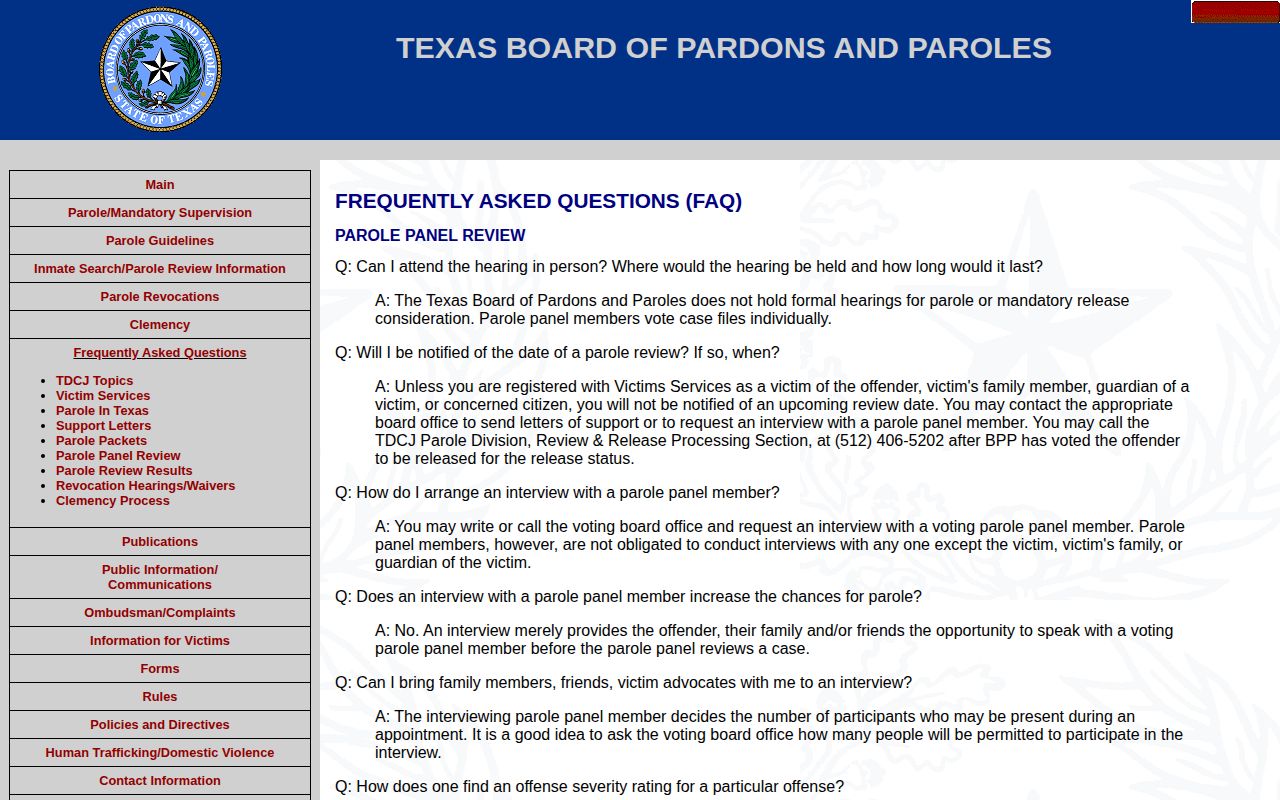
A favorable vote can precede release processing, so an alert should describe only the event actually received.
Register for Texas Release Alerts
Registration connects a verified person record to a chosen contact method. In IVSS, create an account, select the correct offender, choose the offered method, and complete the portal's verification prompts. IVSS-Counties can offer text, telephone, or email notices. The county system also allows preferred hours or blackout dates, contact updates, paused notices, and notification history. Available options can differ by participating entity and event.
- Create an account in the correct portal and use contact information that can reliably receive a notice.
- Select the exact offender or county booking after comparing all displayed identifiers.
- Choose the available notice types and delivery method, then set any offered time preferences.
- Finish the current portal's verification or confirmation prompts. Do not rely on old VINE PIN instructions.
- Review saved preferences and keep contact details current. Preserve a received event notice when a later records request may be needed.
Existing county VINE registrations migrated during the 2025 transition, but users were prompted at first login to change their password and check preferences. The historical 877-TX4-VINE and PIN process should not be presented as the current Texas route. IVSS-Counties support is available at 866-268-8959 around the clock in English and Spanish.
Question: Does an alert prove the person entered the community? Not always. A transfer alert can mark movement to TDCJ or another agency. Confirm the event type and destination with the source agency.
Texas County Alert Coverage Varies
Not every Texas county participates in IVSS-Counties. The Attorney General directs users to check the portal for coverage, and the modernization material states that new jail and court entities were expected to begin being added in fiscal year 2027. Until a county is present and actively feeding events, no statewide claim of full county-jail coverage is accurate.
IVSS-Counties can report booking, release, court-setting changes, death, escape, and transfer to TDCJ where those events are supplied. A release notice can therefore answer a different question than a signed court order. The alert records the reported custody event. The order shows the legal action. If the precise physical exit or destination is disputed, ask the sheriff for the release or disposition record.
The re:SearchTX portal illustrates the separate court-record path that may explain an order but is not a statewide jail-release database.
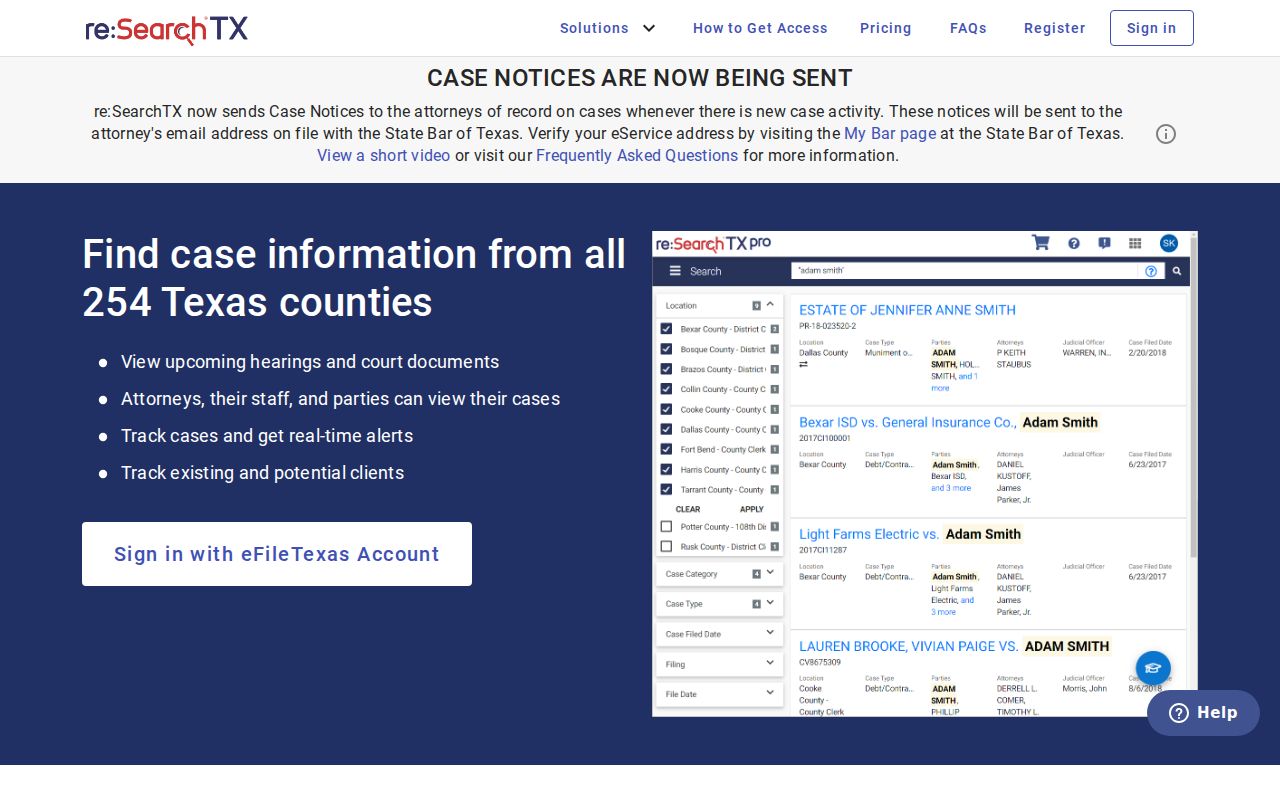
Texas trial-court criminal records still route to the proper local clerk when the statewide electronic view lacks the case.
Texas Release Alert Limits
Neither IVSS portal is a federal locator. Use the Bureau of Prisons Inmate Locator for federal prisoners. It generally includes federal inmates released after 1982 and supports number or name searches. A past Release Date and a location of RELEASED mean the person is no longer in BOP custody. They do not prove freedom from federal supervised release or custody by another system. BOP says its database updates daily.
ICE also uses a separate locator. Its Online Detainee Locator System covers people currently detained and those released from ICE custody within the prior 60 days. A person may leave a Texas county jail because of an ICE transfer, which is an exit from county custody but not entry into the community. IVSS-Counties should therefore be read with the event label and destination.
The BOP Inmate Locator is the correct official search for the federal custody layer.
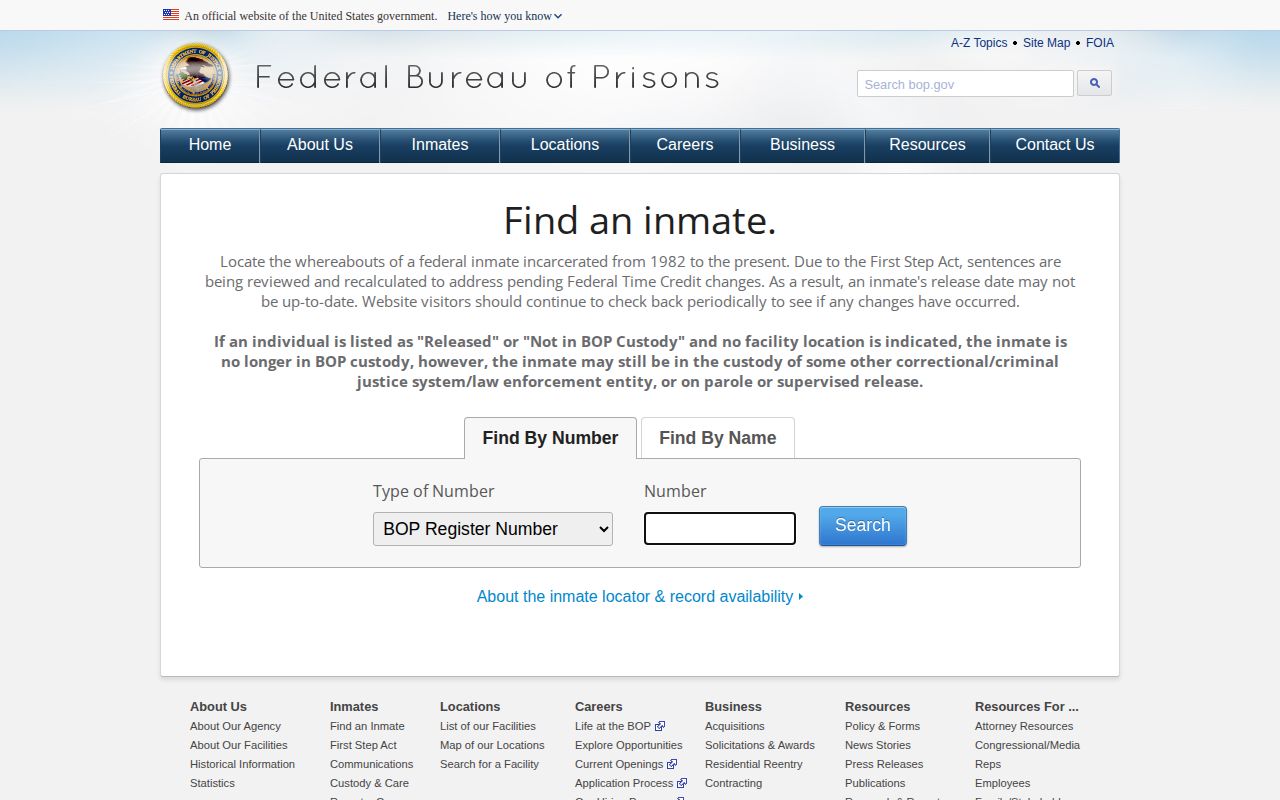
Its federal release date should not be merged with a Texas county or TDCJ alert.
When a portal result is unclear, follow the operator. Ask the sheriff about a county release, TDCJ about a state-prison history, BOP about federal custody, or ICE about immigration detention. The Texas released inmates home page maps these statewide verification routes in one place.
Note: Texas notification tools can lag and are informational, so confirm urgent custody changes with the agency that supplied the event.
Two Texas IVSS Release Paths
Texas's two-portal deployment is the key VINELink release-check distinction. State prison and parole or mandatory-supervision records use IVSS. Participating local jails use IVSS-Counties. The old Texas VINE name can still appear in searches or old instructions, but it should redirect a reader to the current portal that matches custody.
The 2025 county transition also changed account handling. Migrated users needed to reset a password and review notice preferences. New users should follow the current on-screen verification process rather than seek a legacy PIN workflow. If a county is not listed, use the sheriff's records process. If a past result is gone, request the release record instead of treating the absence as an outcome.
This split keeps the scope honest. IVSS can continue to show a person on state parole or mandatory supervision after physical release. IVSS-Counties concerns participating local custody and event feeds. Neither makes the live TDCJ inmate search a history database, and neither makes one county's coverage a promise about all 254 counties.
Confirm a Past Texas Release
Notification tools are strongest before and near the event. Texas publishes no fixed promise that an old county booking will remain searchable, and the live TDCJ inmate search excludes people who are no longer incarcerated in a TDCJ facility. A past release therefore calls for a historical record from the agency that held the person.
Under the Texas Public Information Act, direct a request to the governmental body that keeps the record and describe an existing document. For a county event, ask the sheriff or jail records unit for an identifiable booking, custody-history, transfer, or release record. For a TDCJ event, request the releasable incarceration history, release or discharge date and type, or certificate tied to the name, identifier, and date range. The agency does not have to create a new record or perform legal research.
A received IVSS notice remains useful context. Record the alert time, event wording, and source portal, then compare it with the official response. This method preserves what the notification system reported without claiming that a transient portal display is the final historical proof.